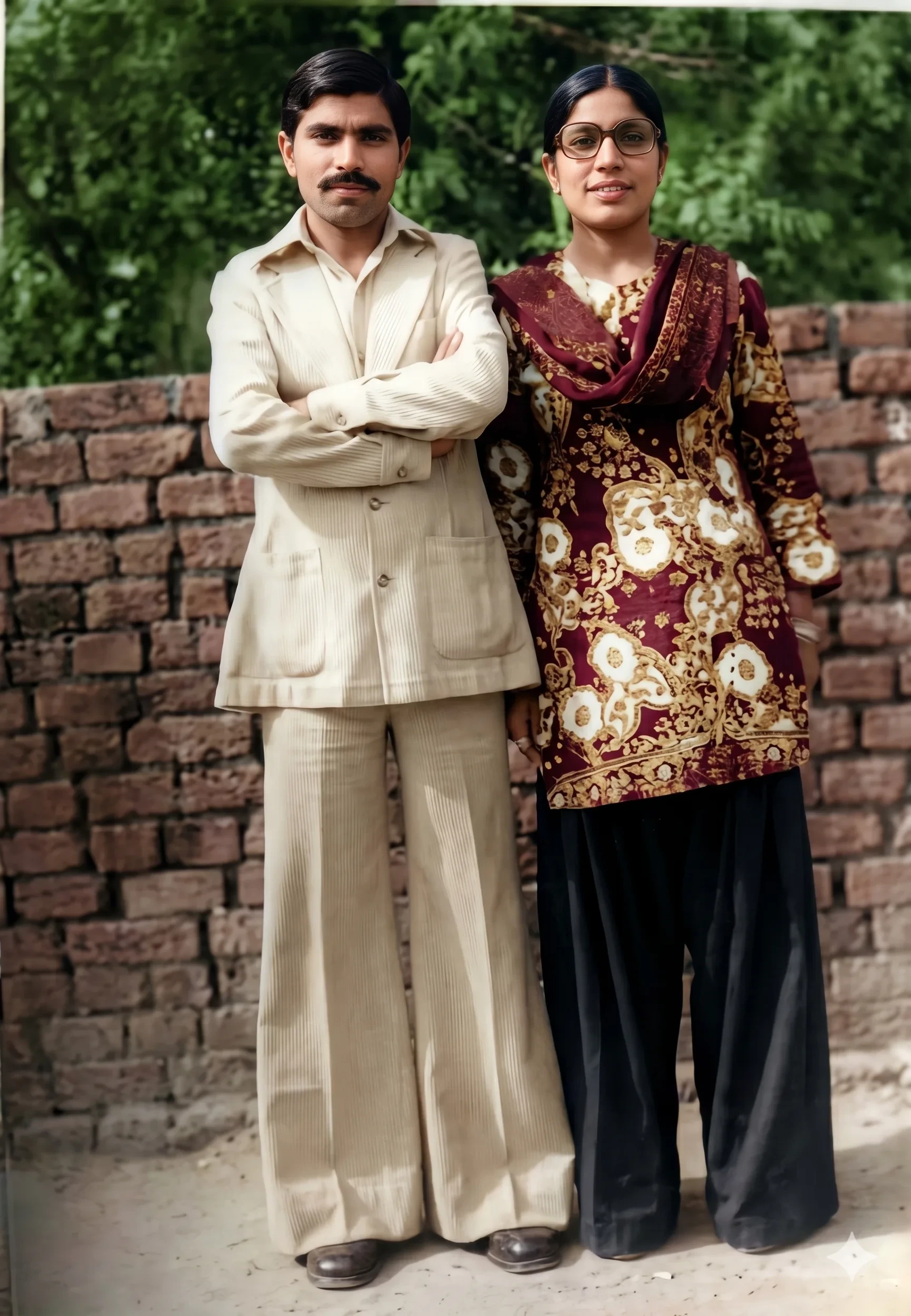
There are two photographs I keep returning to. In one, taken in 1978, my parents stand together on their wedding day in Gujranwala – young, certain, beginning a life with no roadmap for what would come next. In the other, taken a year later, my mother holds a child in her arms for the first time. That child is me. Everything that has followed – the education, the cities, the career, the three sons who call me Baba – traces its origin, in some irreducible way, to those two moments. To those two people. This is my attempt to say, in the only way I know how, that I see what they gave.
The City Where Everything Began
Gujranwala is a city in Punjab – industrial, traditional, and family-driven. It is not a place known for academic ambition. It is known for craft, trade, and the quiet dignity of people who build things with their hands. My parents were married there in 1978, and I was born there the following year. It is the most important place I have ever left.
I was born in 1979. It was, as I once reflected, a quietly fortunate year to enter the world – the tail end of an era before digital noise, before constant connectivity, before every question came pre-answered. When I was four years old, our family moved to Guddu – a small town on the boundary of Sindh and Punjab. It is there that I grew up, completed my schooling, and formed the first sense of who I might become.
My parents had none of the advantages the word opportunity usually implies. No family wealth. No powerful networks. No blueprint for what it might look like to send a child across half a country. What they had was each other, their character, and a belief – never philosophised, never announced – that the next generation deserved more than the current one had been given. They never talked about this. They just made it true.
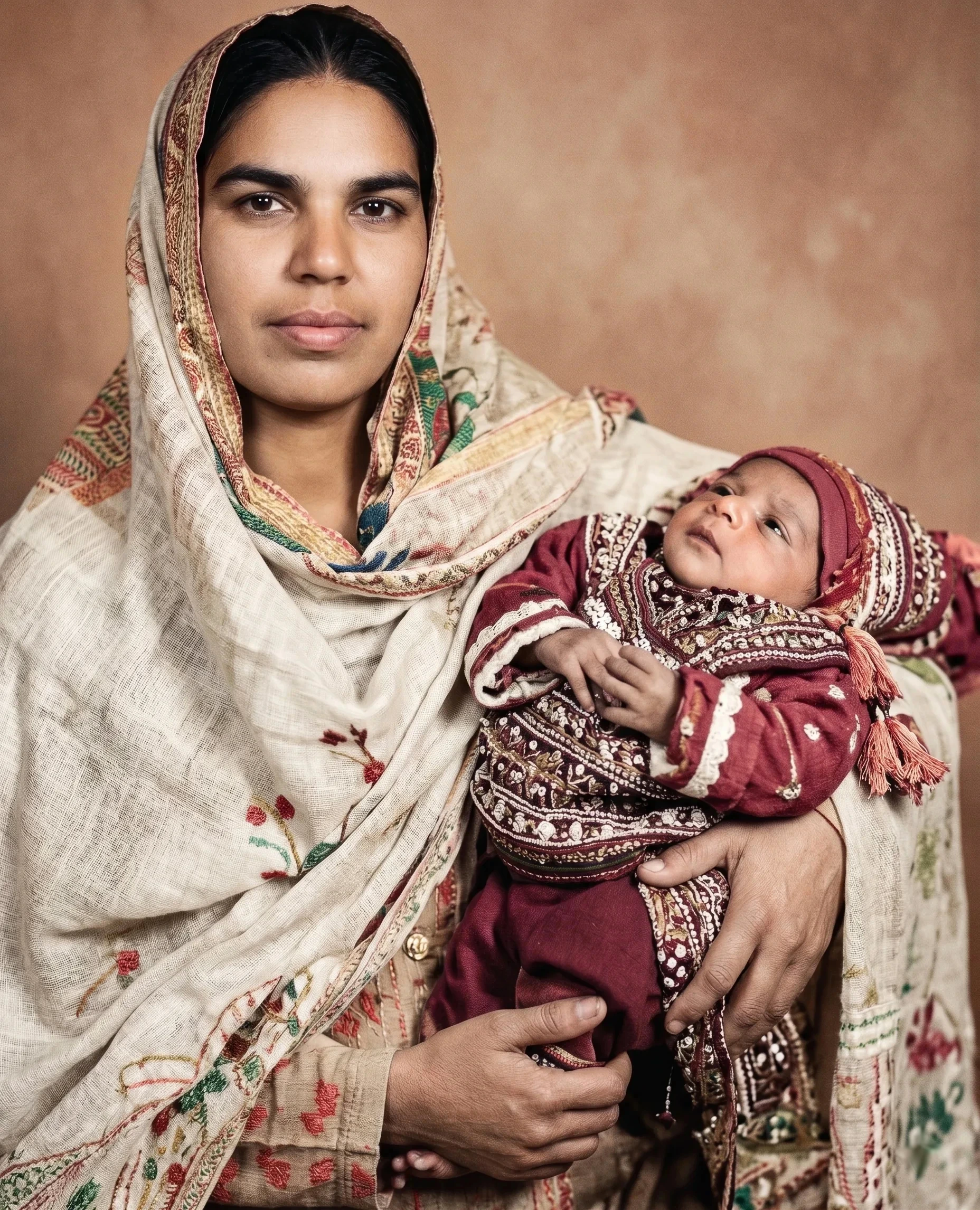
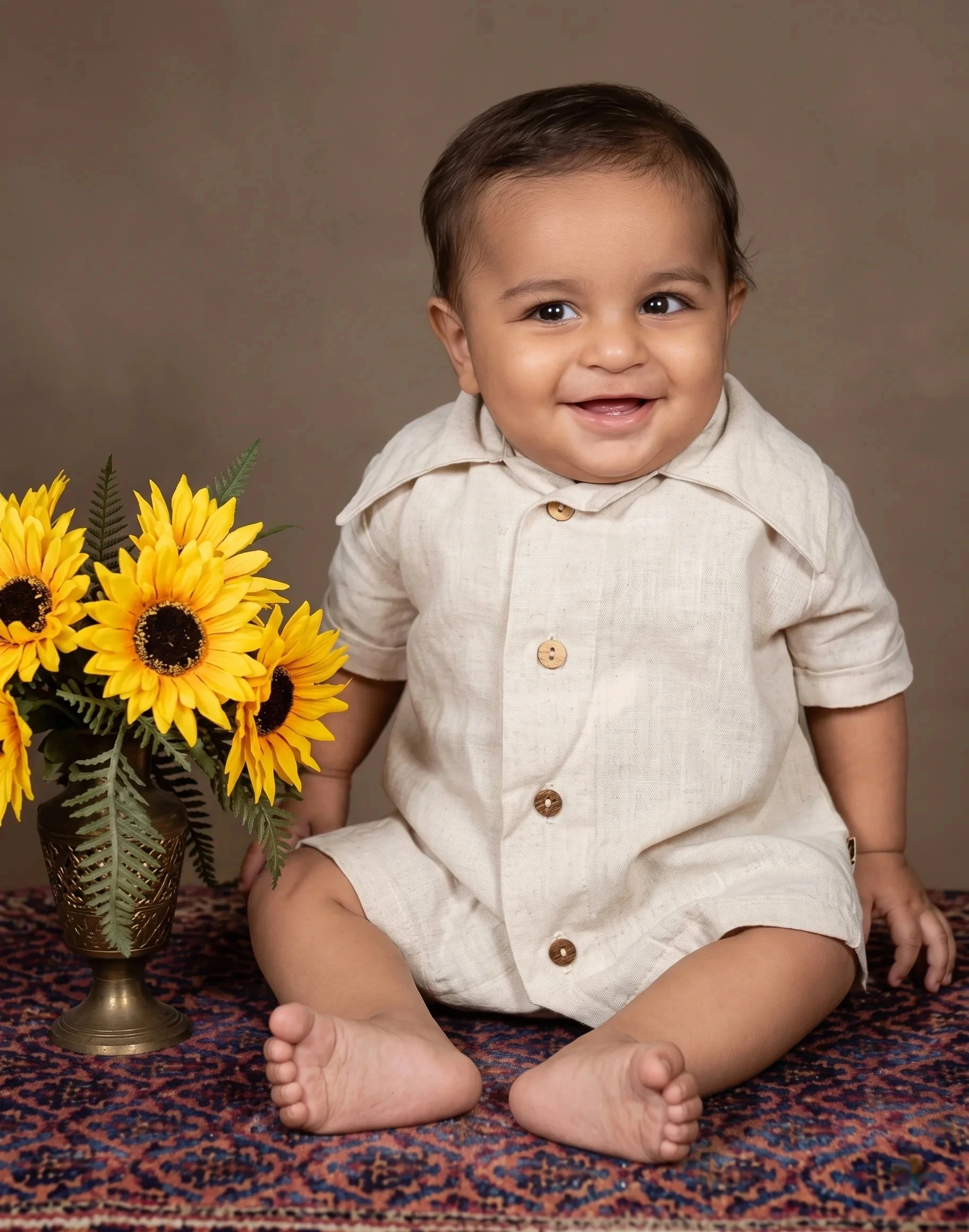
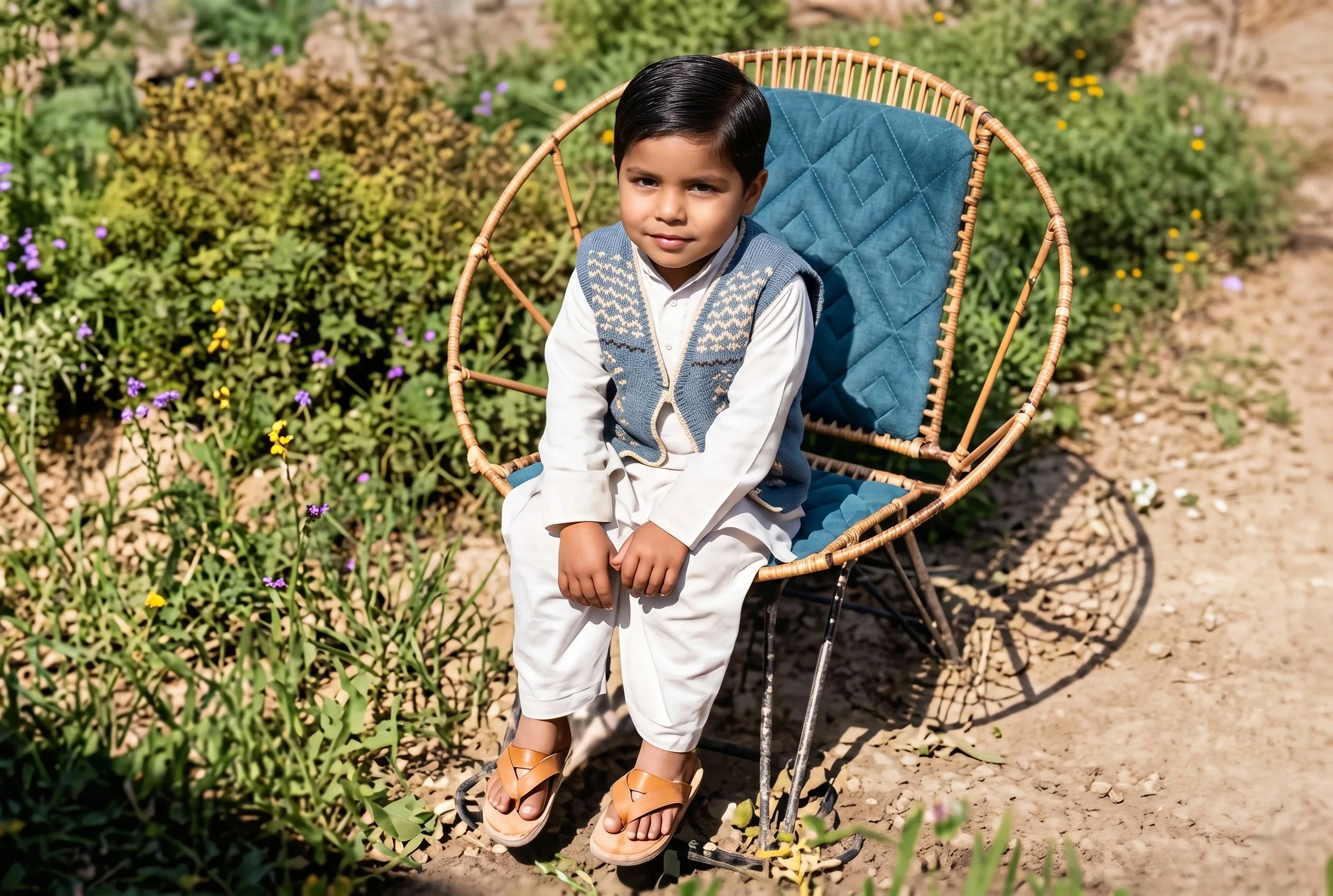
She held me before I could hold anything. That, I have come to understand, is what love actually looks like – not the words about it, but the weight of it.
The Years That Were Not Impressive
I should say something honest about what my parents were betting on in the years before Lahore: not very much, as evidenced by the numbers.
My school years were unremarkable by conventional measures. The grades that come back in reports – the ones that societies use as the primary evidence of a child's future – mine were, in my own honest words, okay-ish. Not a source of alarm, but certainly not a guarantee of anything. In a culture where academic excellence is treated as the only admissible proof of potential, I was not producing strong proof.
My father watched those grades and said nothing that made me feel small. My mother fed me, prayed for me, worried about me in the way that mothers do – the quiet, ongoing, unpublicised kind of worry – and kept the household that was the silent bedrock of everything else. Neither of them ever presented the account. That restraint – the deliberate choice not to weaponise expectation – is something I have only come to fully appreciate as a parent myself.
Six Hundred Kilometres of Faith
The First Bet – Punjab University, Lahore
After my FSc in 1996, my father made a decision that most people in his position would not have made. Without a guarantee, without strong evidence from my academic record, and without asking anything in return – he sent me to study at Punjab University in Lahore. Six hundred kilometres from home. His eldest son. A bet on someone who had not yet given him clear reasons to bet.
I arrived in Lahore and found, almost immediately, that I was not ready for it. The scale was overwhelming. The anonymity was disorienting – going from a place where everyone knows your name to a place where no one knows you exist requires a kind of internal recalibration that takes time and offers no shortcuts.
The hostel mess food – which should have been one of the unremarkable constants of student life – was nothing like what my mother cooked. That was when I first understood what it actually costs someone to feed you well every single day, without mentioning it, without being thanked for it. My mother had been doing that for nineteen years. I noticed it, for the first time, when it was six hundred kilometres away from me.
The Years I Made It Hard
I will not romanticise the bachelor's years. The degree was in Mathematics and Physics at Punjab University – demanding, and not where my heart was. I was uncertain where my real strengths were, or whether I had any that would matter in a city this size. The first years of any great transition look, from the inside, less like a beginning and more like being lost in a place that does not notice.
My father's expectation was, at its core, simple: find something, do it with integrity, come home with a respectable path ahead. That felt both close and impossibly far. I was not, in those years, the son who was obviously going to make the investment pay off.
My parents did not withdraw. They did not remind me of the cost. They kept their faith in the only way faith can actually be kept – not by talking about it, but by continuing to extend it.
Are You Sure? – The Most Sure Thing
The Second Bet – the Master’s
After completing my Bachelor’s in Mathematics and Physics in December 1999, a friend suggested I sit the entrance test for a Master’s in Computer Science. The record I was bringing to my father’s door did not build a strong case. A rational person could have said: we have invested enough. I called Abbu. He listened. Then he asked: "Do you want to do it? Are you sure?" I said: "This is the most sure thing that I want to do." He said yes.
He was not a man who gave speeches about belief or delivered motivational addresses about potential. What he gave me was simpler and more permanent: permission. A single word that opened a door I did not know I was standing in front of.
He trusted me with more than a decision
My father had every rational reason to say no. The evidence pointed one way. His belief pointed another. He chose his belief. That is not naïve optimism – it is the highest form of parental love: to continue extending faith after the data has run out, because you know something about your child that the data cannot capture.
The entrance examination was rigorous – analytical reasoning, logical problem-solving, the kind of thinking I had not been formally tested on. I sat it not knowing what to expect from myself. I surprised myself. I passed.
In the first semester of the Master’s programme in Computer Science at ILM / Hamdard University, I secured a 3.85 GPA. Dean’s Merit List. Full scholarship for the entire tenure.
I went home during a break. The result had arrived by post – an envelope containing not only my grades but an appreciation letter and the scholarship confirmation. I asked the local postman to hand it directly to my father. The postman looked at the envelope and then at me, with an expression that said he could already sense what it held. He handed it over.
The look on my father's face when he opened it is not something I can translate into prose. Six hundred kilometres of distance. Years of uncertain grades. Two decisions made on faith. One envelope that said: you were right to believe.
It was the first moment I felt I had given something back.
The First Job, Before the Last Exam
By the final year of the Master’s programme in 2002, I had received a job offer before I had even graduated – at a university job fair, from a beginning I had not dared to plan for.
I began teaching Java at a university before my own degree was in my hand. The students who sat in front of me, uncertain and beginning – I understood them not because I had always been excellent, but because I remembered exactly how it felt to be doubtful, and to have someone believe in you anyway. My parents had taught me that, without ever using the word belief.
The arc my father had staked on was real. And my mother had known it was real from 1979, when she held me in a small town that had no map for what would follow.
The Debt That Cannot Be Settled
My mother never itemised what she gave. She never presented the account of nineteen years of meals, prayers, consistent presence, and the kind of quiet sacrifice that a household runs on and that a child only fully understands when they are living six hundred kilometres away and making their own household for the first time.
My father never said: you owe me this. He said something closer to the opposite – the single most important piece of advice he ever gave me arrived after a project failure late in my Master’s programme. He did not say: how could you. He told me, simply, to speak the truth with my examiner – even if it meant failing the project. That story, and the principle inside it, has an essay of its own.
That advice reached me at the right moment. My father had no background in software engineering. He had everything to do with who I was beginning to become as one.
Parents who truly love their children love them toward departure. They give everything they have so that the child can carry it away into a world the parent may never fully see. My mother understood that from the moment she held me. My father understood it the moment he said yes to Lahore – and again the moment he said yes to the Master’s.
There is an old saying that parents can leave a child two lasting things, roots and wings. It reached print in 1953, in a book by Hodding Carter, who credited a wise woman.